SHUWA Foundation Responds to Cholera Outbreak in Ngarnam Community with Emergency WASH Intervention
When a cholera outbreak was reported in Ngarnam Community, the need for urgent action was clear. Unsafe water, inadequate sanitation, and poor hygiene can allow cholera to spread rapidly, placing vulnerable families at serious risk.
In response, the SHUWA Foundation for Health implemented a four-day emergency Water, Sanitation, and Hygiene (WASH) intervention designed to reduce the spread of cholera, improve access to safe water, and strengthen community awareness of disease prevention.
The intervention brought together community members, local leaders, health workers, and WASH volunteers in a coordinated effort to protect public health.
Responding Quickly to an Urgent Health Threat
Cholera is a waterborne disease commonly associated with contaminated water, poor sanitation, and inadequate hygiene practices. During an outbreak, access to safe drinking water and accurate health information becomes critical.
SHUWA Foundation’s emergency response in Ngarnam Community focused on four key priorities:
- Reducing the spread of cholera through emergency WASH activities.
- Improving access to safe drinking water.
- Promoting proper hygiene and sanitation practices.
- Increasing community awareness of cholera prevention and control.
Over four days, the intervention combined community education, water treatment, hygiene material distribution, sanitation improvement, and follow-up monitoring.
Day One: Understanding the Community’s Needs
The response began with community entry and engagement with key stakeholders. Building trust and working closely with community leaders was an important first step in ensuring that the intervention addressed the most urgent needs.
SHUWA Foundation teams conducted a rapid WASH needs assessment to understand the conditions affecting households and identify areas at greatest risk.
The team also:
- Identified high-risk households.
- Engaged community leaders and stakeholders.
- Mobilized community volunteers.
- Assessed immediate water, sanitation, and hygiene needs.
This early engagement helped create a strong foundation for the activities that followed.
Day Two: Taking Cholera Prevention Messages to the Community
Health education played a central role in the intervention.
Community members participated in hygiene promotion sessions focused on practical steps families can take to reduce the risk of cholera and other waterborne diseases.
The sessions covered:
- The importance of regular handwashing.
- Proper handwashing techniques.
- Safe storage and handling of drinking water.
- Food hygiene and safe food preparation.
- The importance of maintaining clean surroundings.
Community members were also provided with Information, Education and Communication (IEC) materials to reinforce the messages shared during the sessions.
The goal was not simply to provide information, but to help families understand how everyday hygiene practices can protect their health.
Day Three: Providing Essential Hygiene Supplies and Improving Water Safety
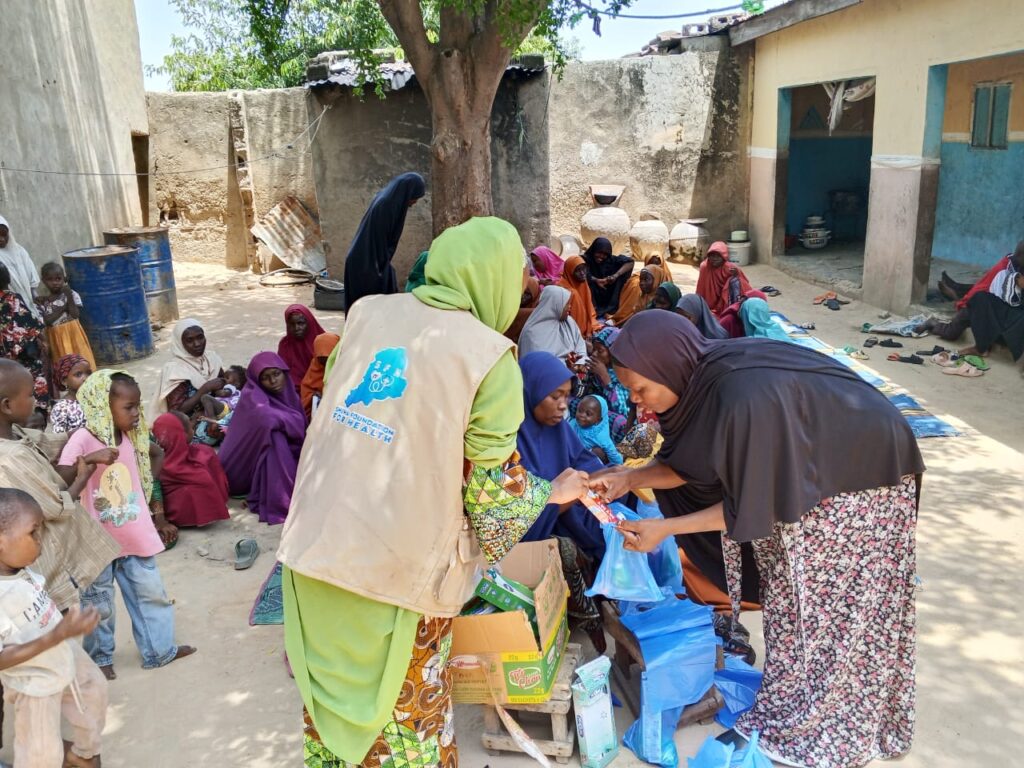
On the third day, SHUWA Foundation distributed essential hygiene materials to vulnerable households.
More than 100 households received hygiene kits containing items such as:
- Soap.
- Water treatment tablets.
- Buckets with lids.
- Jerry cans.
These materials helped families improve personal hygiene, safely store water, and treat drinking water at household level.
The response also included water quality testing and chlorination of community water sources. This was an important step in reducing the risk of further contamination and improving the safety of water used by community members.
In addition, communal sanitation facilities were cleaned and disinfected to improve environmental hygiene and reduce potential sources of disease transmission.
Day Four: Community Action and Follow-Up
The final day focused on community participation, follow-up, and evaluation.
A community clean-up campaign was organized to encourage residents to take collective responsibility for their environment. Clean surroundings and proper waste management are important components of disease prevention.
The team also conducted follow-up household visits to reinforce hygiene messages and monitor the use of distributed materials.
The four-day intervention concluded with:
- Monitoring and evaluation of project activities.
- Follow-up visits to households.
- A debriefing meeting with community leaders and stakeholders.
- Discussions on the next steps for sustaining cholera prevention efforts.
More Than 500 People Reached with Cholera Prevention Messages
The emergency intervention achieved several important results within its four-day implementation period.
Key achievements included:
- More than 500 community members reached with cholera prevention and hygiene awareness messages.
- More than 100 households provided with essential hygiene kits.
- Community water sources treated with chlorine to improve water safety.
- Increased awareness of proper handwashing and hygiene practices.
- Improved participation in community sanitation and environmental cleaning activities.
- Stronger collaboration among community leaders, health workers, and WASH volunteers.
These achievements demonstrate the value of rapid, community-centered action during public health emergencies.
Community Participation Was at the Heart of the Response
One of the most important strengths of the intervention was the active participation of the Ngarnam community.
Community members, volunteers, leaders, and health workers worked together throughout the response. This collaboration helped ensure that activities were relevant to local needs and encouraged a sense of ownership.
For SHUWA Foundation, emergency response is not only about delivering supplies. It is also about working with communities to build knowledge, strengthen local capacity, and promote sustainable health practices.
Challenges During the Emergency Response
Like many emergency interventions, the WASH response faced several challenges.
The four-day project duration limited the ability of the team to reach every household in the community. In addition, the available hygiene supplies were not sufficient to meet the needs of all community members.
Heavy rainfall also affected some field activities and made access to certain locations more difficult. Poor access to some remote areas created additional logistical challenges.
Despite these obstacles, the team and community volunteers continued working to reach as many vulnerable households as possible.
Lessons from the Ngarnam Intervention
The response provided important lessons for future emergency WASH activities.
Early Community Engagement Matters
Engaging community leaders and residents from the beginning helps improve participation, trust, and ownership of interventions.
Hygiene Education Must Continue
A single awareness campaign is not enough to sustain long-term behavior change. Continuous hygiene promotion is essential to reinforce safe practices and reduce the risk of future outbreaks.
Health and WASH Teams Must Work Together
The response demonstrated the importance of coordination between health workers, WASH teams, community leaders, and volunteers.
Working together allows emergency teams to respond more effectively to both the immediate health threat and its underlying causes.
Emergency Supplies Must Be Ready
The availability of essential WASH supplies is critical during disease outbreaks. Maintaining adequate emergency stocks can help organizations respond more quickly when communities are affected.
Building Stronger Protection Against Future Outbreaks
The Ngarnam intervention provided immediate support, but continued action is needed to sustain the progress made.
SHUWA Foundation recommends several ongoing measures, including:
- Regular hygiene promotion activities.
- Routine chlorination of community water sources.
- Construction and rehabilitation of sanitation facilities.
- Stronger community-based disease surveillance.
- Increased funding for emergency WASH preparedness and rapid response.
These actions can help reduce the risk of future outbreaks and improve the overall health and resilience of the community.
A Community United Against Cholera
The four-day emergency WASH intervention in Ngarnam Community demonstrated what can be achieved when communities and health partners work together.
Through awareness, water treatment, hygiene supplies, sanitation activities, and community mobilization, SHUWA Foundation provided immediate support to affected households and helped strengthen local efforts to prevent the spread of cholera.
The response also highlighted an important truth: preventing disease requires more than medical treatment. It requires safe water, proper sanitation, good hygiene practices, informed communities, and strong partnerships.
SHUWA Foundation remains committed to supporting vulnerable communities through accessible healthcare, health education, WASH interventions, and emergency response.
With continued collaboration and investment, communities like Ngarnam can become better prepared to prevent, respond to, and recover from future public health emergencies.
Contact
No. 22C, Assurance Plaza, Gombole Road, Maiduguri, Borno State.
email: info@shuwafoundation.org
Tel: +234-806-355-0024, +234-701-866-9109, +234-806-239-0772
Empower Change, Donate Today
Make a difference in the lives of those in need. Support our initiatives and empower positive change through your generous donation.